Get Chimney Cap Installation
Chimney cap installation services protect against debris, animals, and water damage, helping with projects like replacing or upgrading existing caps or installing new ones.
Property owners considering chimney cap installation often recognize the importance of protecting their homes from weather-related damage and debris. A properly installed chimney cap can help prevent water intrusion, block animals from nesting inside the chimney, and reduce the risk of fire hazards caused by falling debris or sparks escaping. Exploring local contractors who specialize in chimney cap services ensures that homeowners can find experienced professionals equipped to handle the specific needs of their property.
When planning a chimney cap project, it’s helpful to compare options available from service providers in the area. Working with local contractors allows property owners to assess different approaches, materials, and installation techniques suited to their chimney type and local climate conditions. Continuing to explore these options can lead to a well-informed decision that enhances the safety and functionality of a home’s chimney system.
- Chimney Cap Installation - needed when installing a new chimney cap to prevent debris and animals from entering the chimney.
- Chimney Cap Replacement - required when existing caps are damaged, rusted, or no longer effective.
- Chimney Cap Repair - necessary if a chimney cap has become loose, cracked, or otherwise compromised.
- Custom Chimney Cap Fitting - used when a standard cap does not fit properly or when a unique chimney configuration requires a tailored solution.
- Chimney Cap Inspection - recommended to assess the condition of existing caps and determine if repairs or replacements are needed.
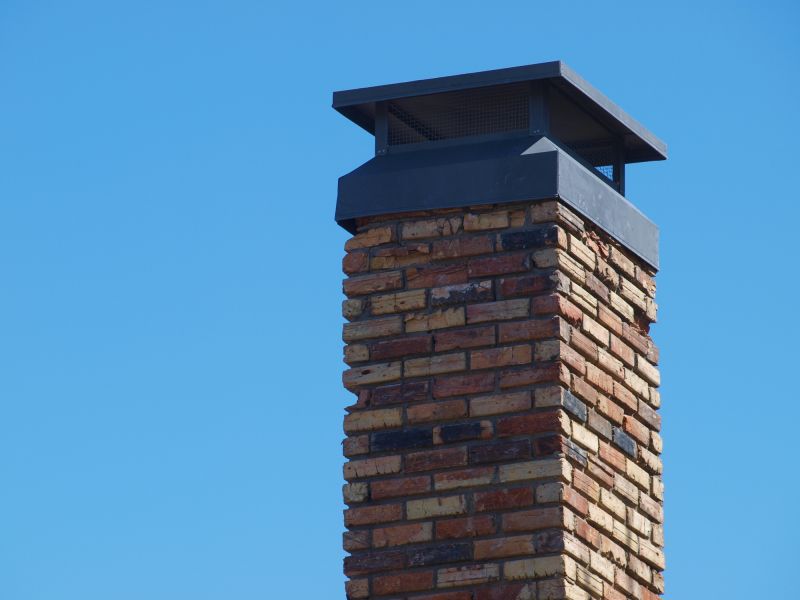
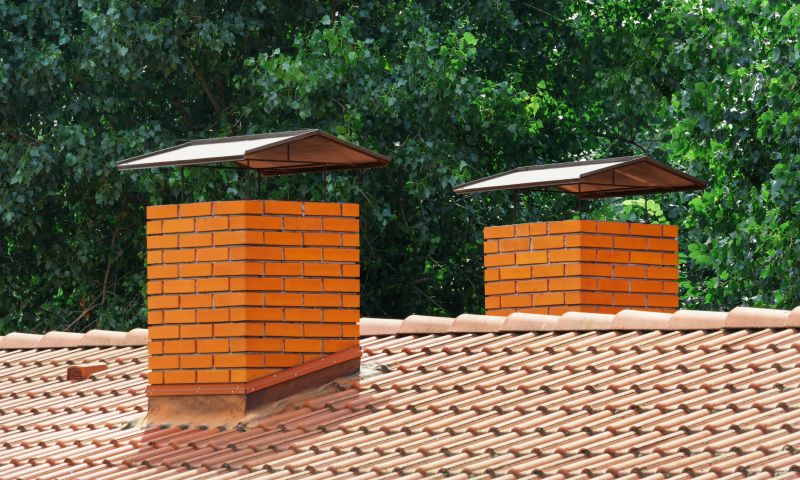
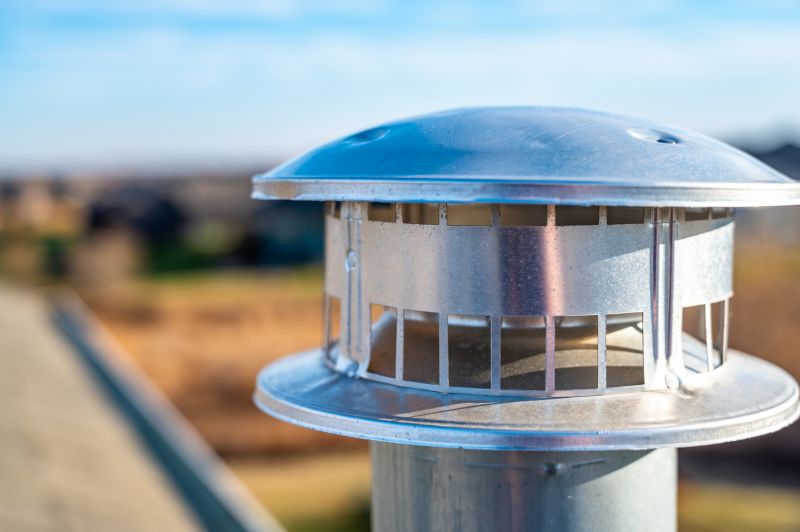
Chimney cap installation involves fitting a protective cover onto the top of a chimney. This essential component helps prevent debris, leaves, and other unwanted materials from falling into the chimney flue, which can cause blockages or fires. Additionally, a properly installed chimney cap can help keep out animals like birds or squirrels that might try to nest inside, potentially causing damage or obstructing airflow. The process typically includes measuring the chimney opening, selecting an appropriate cap style, and securely attaching it to ensure it withstands weather conditions over time.
One of the primary problems chimney caps address is the prevention of water damage. Without a cap, rain and snow can enter the chimney, leading to rust, deterioration of the chimney structure, and even mold growth inside the home. Chimney caps also reduce the risk of sparks or embers escaping from the chimney, which can be a fire hazard, especially in homes with nearby combustible materials. For homeowners experiencing frequent chimney blockages, smoke backdrafts, or animal intrusions, installing or upgrading a chimney cap can be a practical solution to improve safety and functionality.
This service is commonly used on a variety of property types, including single-family homes, historic houses, and even small commercial buildings with chimneys. Residential properties with wood-burning or gas fireplaces often benefit from chimney cap installation to ensure proper venting and protection. Properties located in areas with heavy rainfall, high winds, or abundant wildlife may find a chimney cap especially helpful in maintaining the chimney’s integrity and preventing costly damage. Whether replacing an old cap or installing one for the first time, local contractors can tailor the installation to suit the specific needs of each property.
Homeowners who notice issues like persistent chimney blockages, water leaks around the fireplace, or animals gaining access to the chimney should consider consulting with local service providers about chimney cap installation. This service can help address common problems that compromise the safety and efficiency of a chimney system. By working with experienced contractors, property owners can ensure that their chimney is properly protected against the elements and potential hazards, providing peace of mind and improved home safety.
The overview below groups typical Chimney Cap Installation projects into broad ranges so you can see how smaller, mid-sized, and larger jobs often compare in your area.
In many markets, a large share of routine jobs stays in the lower and middle ranges, while only a smaller percentage of projects moves into the highest bands when the work is more complex or site conditions are harder than average.
Smaller Repairs - Basic chimney cap installation typically costs between $250 and $600 for many routine jobs. Most projects in this range involve standard sizes and straightforward installations. Fewer projects fall into the higher or lower ends of this spectrum.
Standard Replacement - Replacing an existing chimney cap with a similar size usually ranges from $300 to $800. Local contractors often handle these jobs efficiently within this typical cost band.
Custom or Larger Caps - Installing larger or custom-designed chimney caps can cost between $800 and $1,500. These projects are less common and may involve additional customization or materials, increasing the price.
Full Chimney Cap System - Complete system installations, including multiple caps or complex configurations, can reach $2,000 or more. Such larger, more complex projects are less frequent but are handled by experienced local pros within this higher cost range.
Actual totals will depend on details like access to the work area, the scope of the project, and the materials selected, so use these as general starting points rather than exact figures.
Chimney Repair Projects - professionals experienced in chimney repair often handle tasks that require similar skills in working with masonry, flashing, and venting systems.
Flue Liner Installation - installing or repairing flue liners involves planning and using tools comparable to those used in chimney cap installation.
Chimney Waterproofing - waterproofing projects require knowledge of chimney structures and sealing techniques similar to cap installation procedures.
Chimney Crown Repair - repairing or replacing chimney crowns involves masonry skills and planning similar to installing a chimney cap.
Venting System Upgrades - upgrading venting systems for appliances shares planning and tool requirements with chimney cap installation.
Chimney Cleaning Services - cleaning and inspecting chimneys involves access and safety techniques that align with the skills used in cap installation projects.
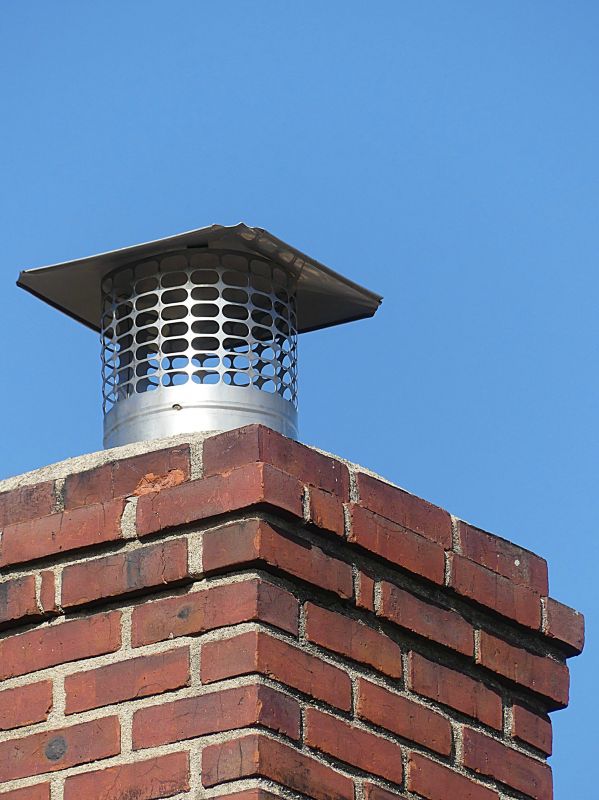
When selecting a contractor for chimney cap installation, it’s important to consider their experience with similar projects. Homeowners should inquire about how long the service provider has been working on chimney caps and whether they have a track record of handling installations comparable to their specific needs. An experienced local contractor will be familiar with different chimney types and the nuances of proper cap installation, which can contribute to a smoother process and a more reliable outcome.
Clear, written expectations are essential to ensure both parties understand the scope of work, materials to be used, and any other relevant details. Homeowners should seek service providers who can provide detailed written estimates or proposals that outline the work involved. This helps prevent misunderstandings and ensures that the project’s requirements are transparent from the outset. Well-documented expectations also serve as a reference point if questions or issues arise during or after the installation.
Reputable references and strong communication skills are key indicators of a reliable local contractor. Homeowners can ask for references from previous clients or look for reviews that highlight the contractor’s professionalism and quality of work. Additionally, good communication-such as prompt responses to questions and clear explanations of the process-can make the experience more straightforward and less stressful. While this site introduces homeowners to local options for chimney cap installation, it’s important to evaluate each service provider’s experience, expectations, and reputation to find the best match for the project.
Property owners use Chimney Cap Installation services for practical projects around their homes and businesses. This guide focuses on everyday jobs and straightforward project options.
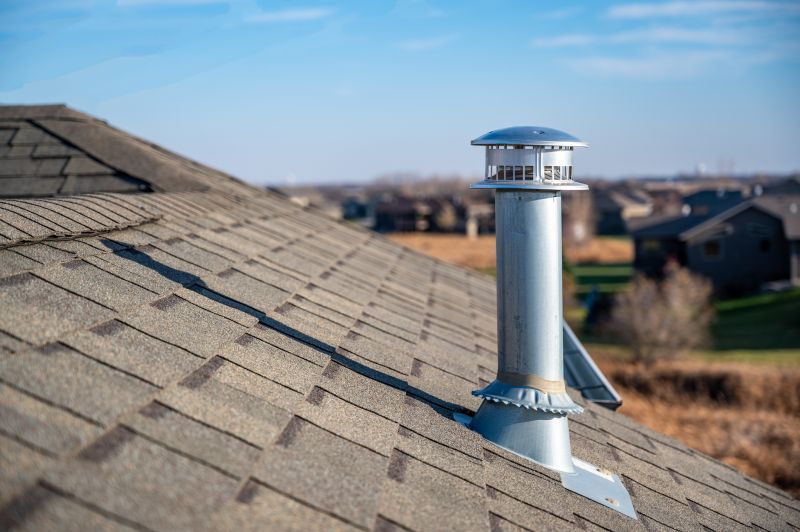
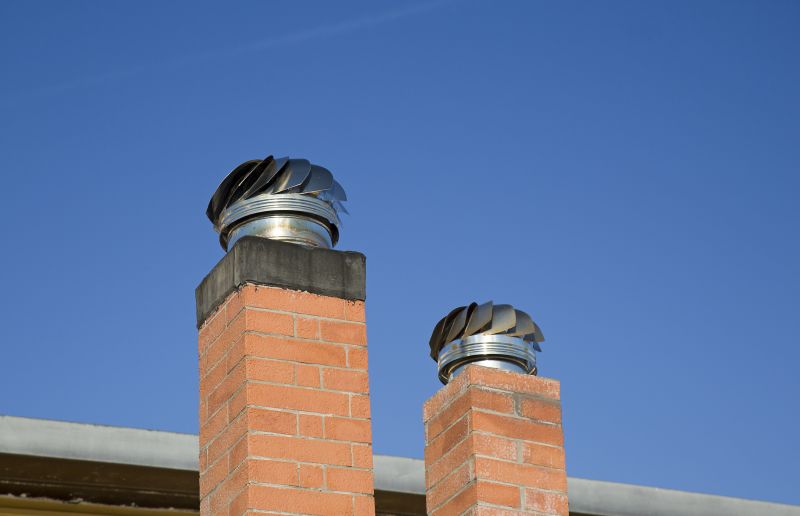
Chimney cap installation is a common project for property owners who want to protect their homes from weather damage and debris. Over time, exposure to rain, snow, and wind can cause damage to chimneys if they are not properly capped. Local contractors can assess the condition of existing chimney caps or install new ones to help prevent issues like water leaks, animal intrusion, and buildup of creosote or soot. These services are often sought after by homeowners looking to maintain their chimney’s integrity and ensure safe, efficient operation.
Many property owners in the area consider chimney cap installation when preparing for seasonal changes or after noticing signs of wear. A well-installed cap can improve the overall safety of a fireplace or stove by reducing the risk of sparks escaping and igniting nearby materials. Local service providers are equipped to handle various chimney types and can recommend appropriate caps based on the specific needs of each property. Connecting with experienced contractors can help ensure the job is done correctly and provides long-term protection for the home.
What is a chimney cap and why is it important? A chimney cap is a protective cover installed at the top of a chimney to prevent debris, animals, and water from entering. It helps maintain proper chimney function and reduces the risk of damage or blockages.
How do local contractors install chimney caps? Experienced service providers typically assess the chimney, select the appropriate cap size and style, then securely install it to ensure proper protection and ventilation.
Can a chimney cap be installed on any type of chimney? Most chimney caps can be installed on various chimney types, but it is best to have a professional evaluate the chimney to recommend the right cap for the specific structure.
Is chimney cap installation a complicated process? Installation generally involves placing the cap on top of the chimney and securing it properly, which can vary in complexity depending on the chimney's design and height. Local pros handle the process safely and efficiently.
What are the benefits of having a chimney cap installed? Installing a chimney cap helps prevent water damage, keeps out animals and debris, reduces downdrafts, and can improve the overall safety and efficiency of the chimney system.
Enhance chimney safety - Installing a chimney cap can prevent debris, animals, and water from entering the chimney, reducing potential hazards inside the home.
Protect the fireplace and chimney - A properly installed cap helps keep your fireplace functioning efficiently by preventing blockages and damage caused by weather elements.
Improve energy efficiency - A chimney cap can help minimize drafts and heat loss, contributing to better energy management within the property.
Prevent costly repairs - Local contractors can install durable caps that safeguard the chimney structure, potentially reducing the need for extensive repairs in the future.
If you are thinking about Chimney Cap Installation for a property, this guide is meant to help you understand the work, the typical project types, and how different options might fit your plans.
When you are ready, you can use the quote form on this page to share a few details about your project. From there, local pros can review the basics and respond with options that match what you have in mind.